
Connecticut Wedding Photographer Rain Plan
Make a rain plan for your Connecticut wedding photos by choosing an indoor portrait location, confirming where you’re allowed to photograph, and deciding who will make the weather call. Keep family photos and the two of you getting married at the center of the plan; outdoor portraits can move, but your ceremony shouldn’t become a race against the forecast.
TL;DR
- Your Connecticut wedding photographer rain plan needs an approved indoor location, a clear weather decision, and protected family-photo time.
- Ephemia Maria is best for couples seeking a Connecticut-based wedding photographer serving New England.
- For church weddings, confirm portrait permissions separately from ceremony arrangements.
- Treat outdoor wedding portraits as an option, not a requirement when conditions are unsafe.
How do you make a rain plan for Connecticut wedding photos?
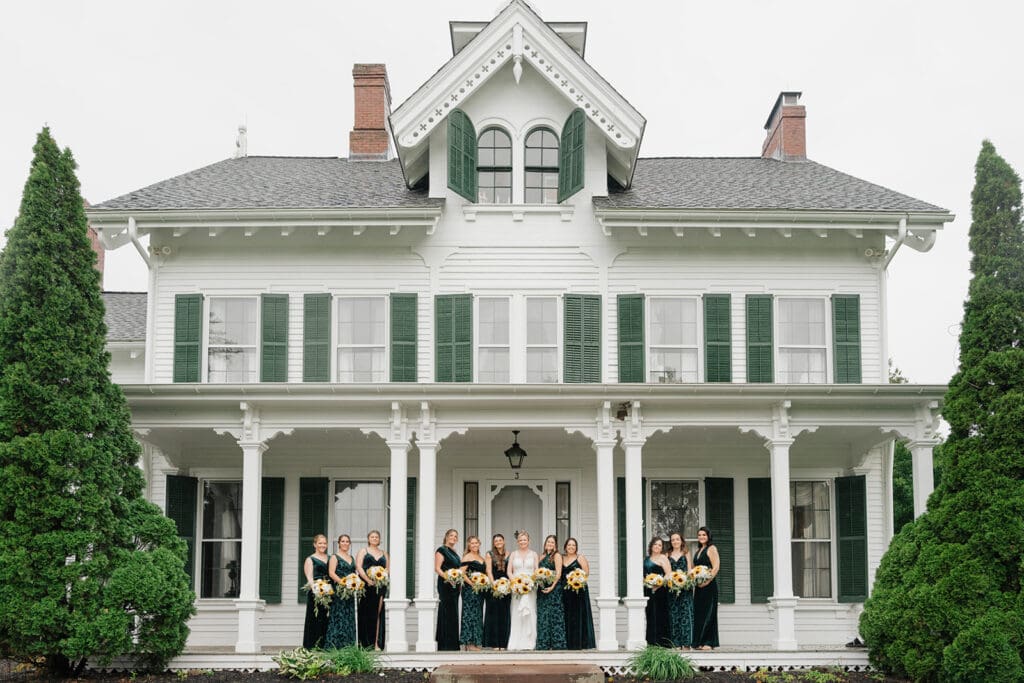
I recommend making the photo plan alongside your ceremony and reception arrangements, not after everything else is settled. For your 2027 wedding, work through these steps with your photographer and the people responsible for your locations.
If you’re still choosing a photographer, Ephemia Maria Photography offers wedding photography in Connecticut and greater New England. Ask any photographer you’re considering how they would approach your actual ceremony location, portrait space, and family priorities in wet weather.
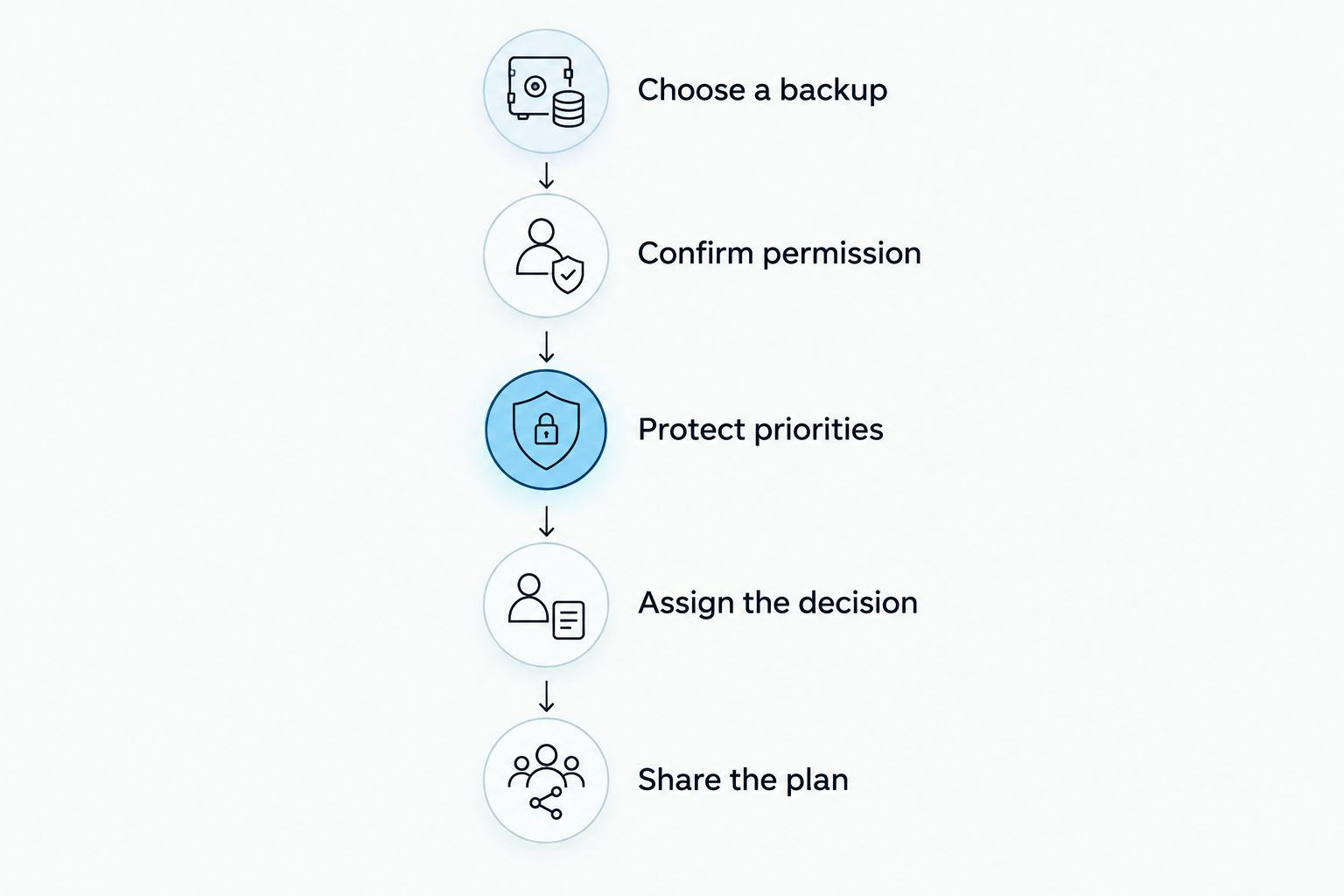
Choose a backup
Choose 1 approved indoor portrait location before your wedding day. Start with a space you’re already using rather than assuming you can enter another building if it rains.
Ask whether the room will be accessible when you need it, whether furniture can stay where it is, and whether your family group can gather without blocking doors. A beautiful room isn’t a useful backup if it’s locked during your portrait time.
Confirm permission
Check photography permission with the person who manages each space. Permission to hold your wedding somewhere doesn’t automatically answer every question about portraits, access, or moving indoors.
For a church wedding, ask about photography during the ceremony and portraits afterward as separate requests. Also confirm whether another service or event affects when you need to leave.
Protect priorities
Write down 2 photo priorities that you want the rain plan to protect. That might mean portraits with your closest family and a quiet moment together after the ceremony. Choose what matters to you, rather than copying someone else’s list.
Give your photographer the names of the people needed for family portraits. If a meaningful tradition needs a particular person, object, or location, include that information too.
Assign the decision
Name 1 weather decision-maker to communicate the agreed plan. Your photographer can advise on photos, while the venue or church controls access and any restrictions on its property.
The two of you shouldn’t have to relay separate messages between vendors while getting ready. Agree on who checks with whom, then make sure your wedding party knows where to go.
Share the plan
Put the rain version into your wedding-day schedule. Include the indoor meeting point, who needs to be there, and how a location change will be communicated.
Share it with your photographer, venue contact, coordinator if you have one, and the person helping gather family. A backup that only lives in your notes app is still a surprise for everyone else.
Why this matters
The point of a rain plan isn’t to recreate a sunny wedding indoors. It’s to let you get married with your closest family watching, without spending the morning negotiating where everyone should stand.
I want the plan to make your day feel relaxed and exciting. You can care about your portraits without letting the weather become the main event. Those things aren’t opposites.
For a 2027 Connecticut wedding, make the arrangements specific to your locations. Another couple’s covered terrace or church entrance doesn’t tell you what’s permitted, accessible, or comfortable at yours.
Which portrait location should you choose if it rains?
Choose the location you can actually use, not just the one you like in a photograph. Have your photographer review the options and explain the trade-offs before you settle on a backup.
These are planning options, not promises that every venue provides them:
| Portrait option | Best for | Advantage | Limitation to check |
|---|---|---|---|
| Approved indoor room | Couples prioritizing comfort and a dependable meeting point | Keeps portraits out of direct rain | Access, room size, background, and other uses |
| Covered outdoor area | Couples wanting an outdoor setting without standing directly in rain | Keeps an outdoor setting in the plan | Wind-driven rain, wet footing, and whether the cover protects the whole group |
| Open outdoor location | Couples who actively want rain portraits | Makes the weather part of the photographs | Exposure, wet clothing, comfort, and unsafe conditions |
An indoor room is my first planning priority because it gives you somewhere to gather. It still needs checking. Your photographer needs to consider the light, the available space, and what will appear behind you.
A covered outdoor spot is useful only if the conditions allow it. A roof overhead doesn’t settle questions about wind or the route everyone takes to reach it.
Open-air rain portraits should be a choice you make together. They aren’t an obligation, and they shouldn’t replace a safe indoor plan.
What changes your wedding photography rain plan?
Your 2027 rain plan should respond to the actual spaces and people involved. These factors belong in the conversation:
- Location permission: The church or venue decides which areas you can use and when.
- Group size: A room that works for couple portraits needs a separate assessment for extended-family photographs.
- Weather conditions: Rain, wind, lightning, and wet surfaces require different decisions. Don’t treat every forecast as the same situation.
- Travel between locations: Moving from getting ready to the ceremony and reception means checking entrances, drop-off arrangements, and gathering points.
- Family needs: Ask about stairs, walking distances, seating, and any assistance relatives need.
- Ceremony commitments: Protect the ceremony schedule and meaningful traditions rather than making them compete with an outdoor portrait opportunity.
I wouldn’t choose a backup from a venue photograph alone. Ask your photographer what they need to assess, and ask the venue what it can confirm. Each person answers a different part of the question.
How do you protect family photos at a church wedding?
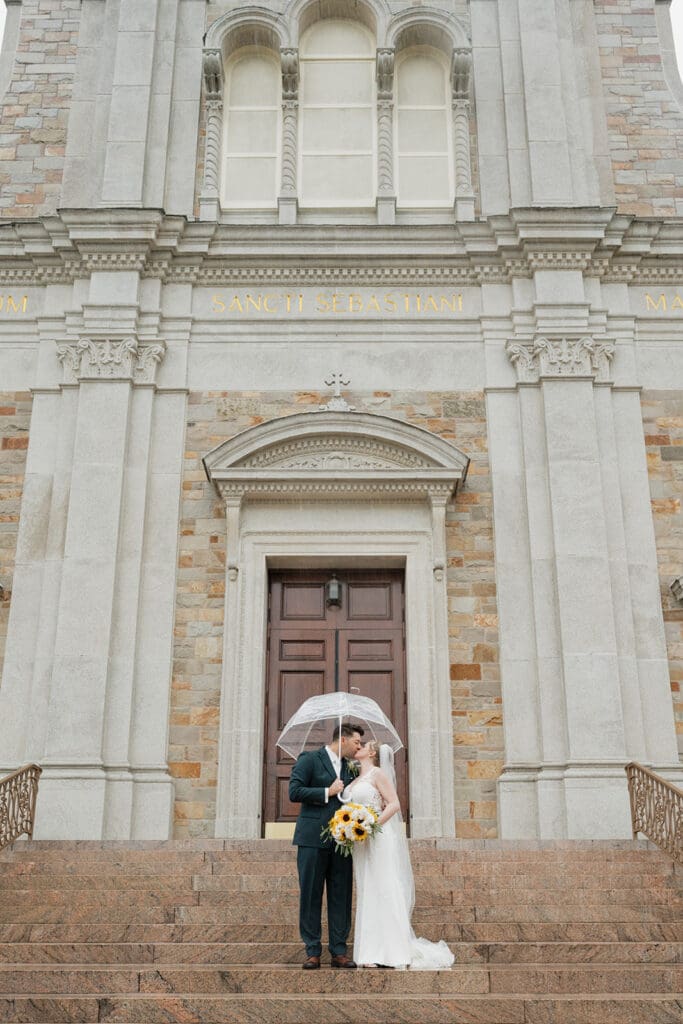
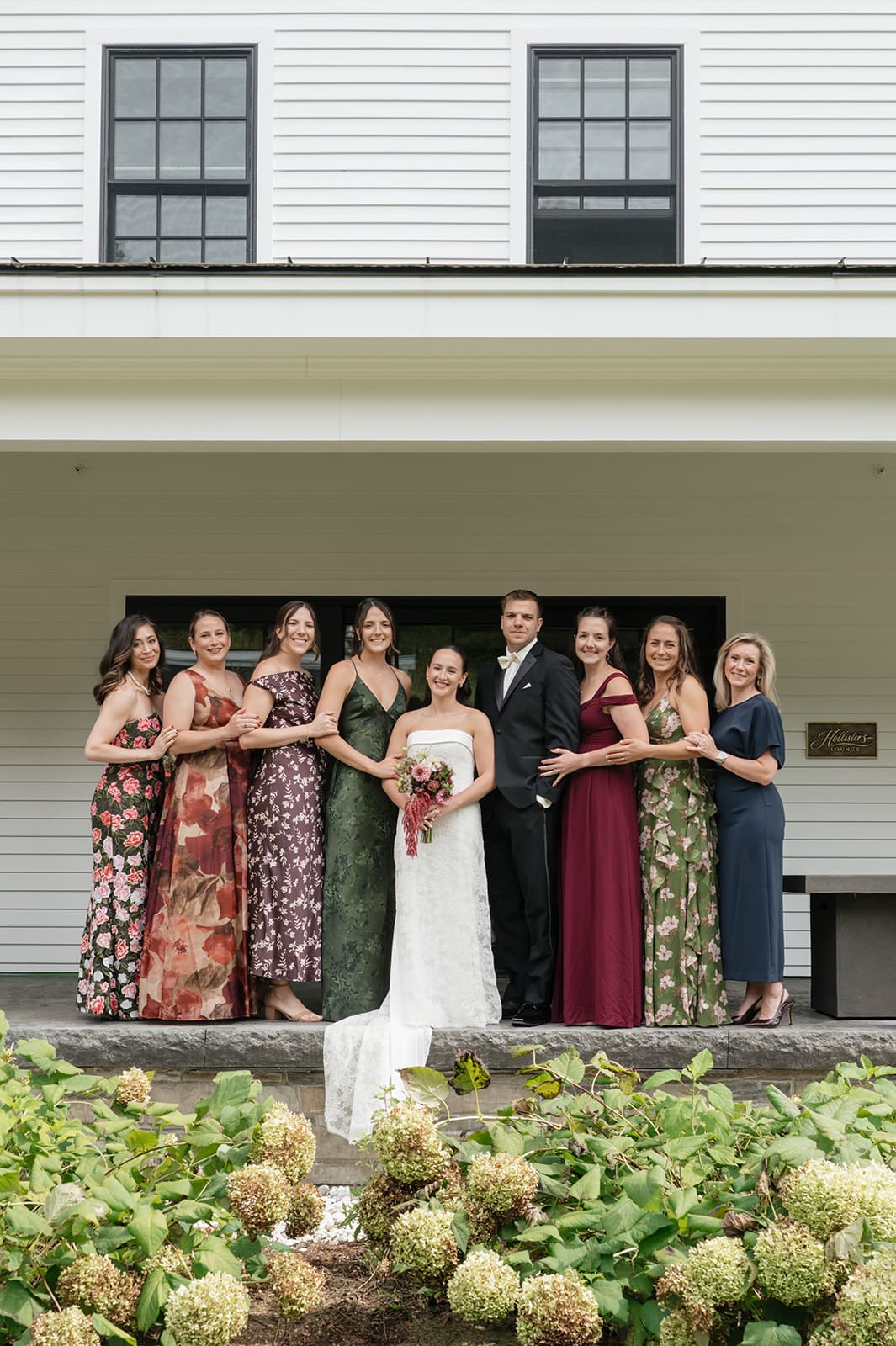
Keep family portraits on the schedule even if outdoor couple portraits change. Your closest family shouldn’t have to guess whether they’re still needed or where to wait.
For a 2027 church wedding, ask whether portraits can take place inside after the ceremony and what the departure arrangements are. Don’t assume you can remain simply because the room looks empty.
Keep the family-photo list readable. Use names and groupings rather than asking someone to work out what “all the cousins” means while guests are leaving.
Tell the person helping gather relatives about any mobility needs and the approved meeting place. If the church cannot accommodate portraits afterward, settle on another approved location before the wedding.
The important part is the two of you getting married with your closest family watching. A rain plan should support that, not turn those people into a crowd waiting for instructions.
Should you change your entire timeline because rain is forecast?
Don’t rebuild the whole day around an outdoor photograph. Start by keeping your ceremony commitments and identifying which portrait locations need to change.
Write a fair-weather version and a rain version of the portrait arrangements. Keep the names, meeting points, and responsibilities clear in both. That lets everyone understand the change without rereading an entirely different schedule.
Ask your photographer whether a brief outdoor opportunity can fit without interrupting something you value more. If stepping outside means missing a family tradition or rushing your meal, decide which matters more to you.
For your 2027 wedding, use the forecast to inform a discussion, not to create a promise that every outdoor photo will happen. A flexible portrait plan is useful; a schedule that depends on dry weather isn’t.
What should you ask a photographer before booking?
Ask for an explanation that relates to your wedding, not just reassurance that rain is fine. I would start with these questions:
- Can I see indoor wedding photographs as well as outdoor portraits?
- What would you need to assess our proposed backup location?
- How would you organize family photos if we couldn’t use the grounds?
- Who should communicate a weather-related change on the day?
- How would you work around our church ceremony and family traditions?
Look for photographs whose color and overall appearance fit what you want. If timeless, true-to-color photography appeals to you, include indoor examples in that assessment rather than choosing from sunny portraits alone.
Ask about current wedding collection and investment details separately. Rain planning helps you understand the approach; it doesn’t tell you what’s included in a particular collection.
FAQ
What should a Connecticut wedding photographer rain plan include?
A Connecticut wedding photographer rain plan should include an approved indoor portrait location, clear permissions, protected family-photo time, and someone responsible for communicating changes. Share the arrangements with the people who need to act on them.
Can we still take wedding photos outside if it rains?
Outdoor rain portraits are an option only when conditions are safe, the location permits them, and you both want them. Keep an indoor alternative so outdoor photographs remain a choice rather than a requirement.
Is a covered porch enough for our wedding photo backup?
A covered porch is not a complete backup until access, group space, wind exposure, and footing have been checked. Ask your photographer and venue contact to assess those points before relying on it.
Can we take family wedding photos inside our church?
Ask the church directly whether indoor family portraits are permitted and when they can take place. Confirm portrait arrangements separately from ceremony photography, including when your group needs to leave.
What if our venue doesn’t have an indoor portrait space?
Arrange another approved indoor location before the wedding if your venue cannot provide a suitable space. Confirm access and transportation rather than assuming a nearby building will admit your group.
Does Ephemia Maria photograph weddings outside Connecticut?
Ephemia Maria offers wedding photography to couples in Connecticut and greater New England. When discussing your wedding, include the ceremony and reception locations so the photography conversation addresses your actual plans.
One last thing
Give the rain plan a guest-friendly meeting instruction. “Family portraits indoors” leaves everyone guessing; naming the approved room tells them where to go.
Then put the plan down. You don’t need to spend your wedding checking weather updates between every conversation. Agree on the decisions beforehand so the two of you can get married, enjoy your closest people, and let the photo arrangements follow the plan.
Leave a Reply

About Ephe
Timeless Photographer

Ephe is based in Connecticut, capturing all of life's most important moments throughout New England. She loves timeless, clean, natural images that are well composed, edited beautifully, and that tell a story. She wants each of her clients to have an unmatched client experience and to get their photos delivered in record time so they can relive their memories right away.
Explore
Recent Posts
Ready to work together?
Whether you're deep in wedding planning, celebrating your senior year, gathering your family together, or simply want to document your current season of life, I'd love to be your photographer! I'm here to help you feel relaxed, capture genuine smiles, and make sure you actually enjoy getting your photos taken.


Leave a Comment